Pizzica: The Heartbeat of Puglia
Few cultural expressions capture the spirit of Puglia as vividly as the Pizzica — a dance that embodies the region’s rhythm, resilience, and joy.
Once performed as an ancient ritual, it has evolved into a symbol of southern Italian identity, celebrated in village squares, global festivals, and concert stages alike.
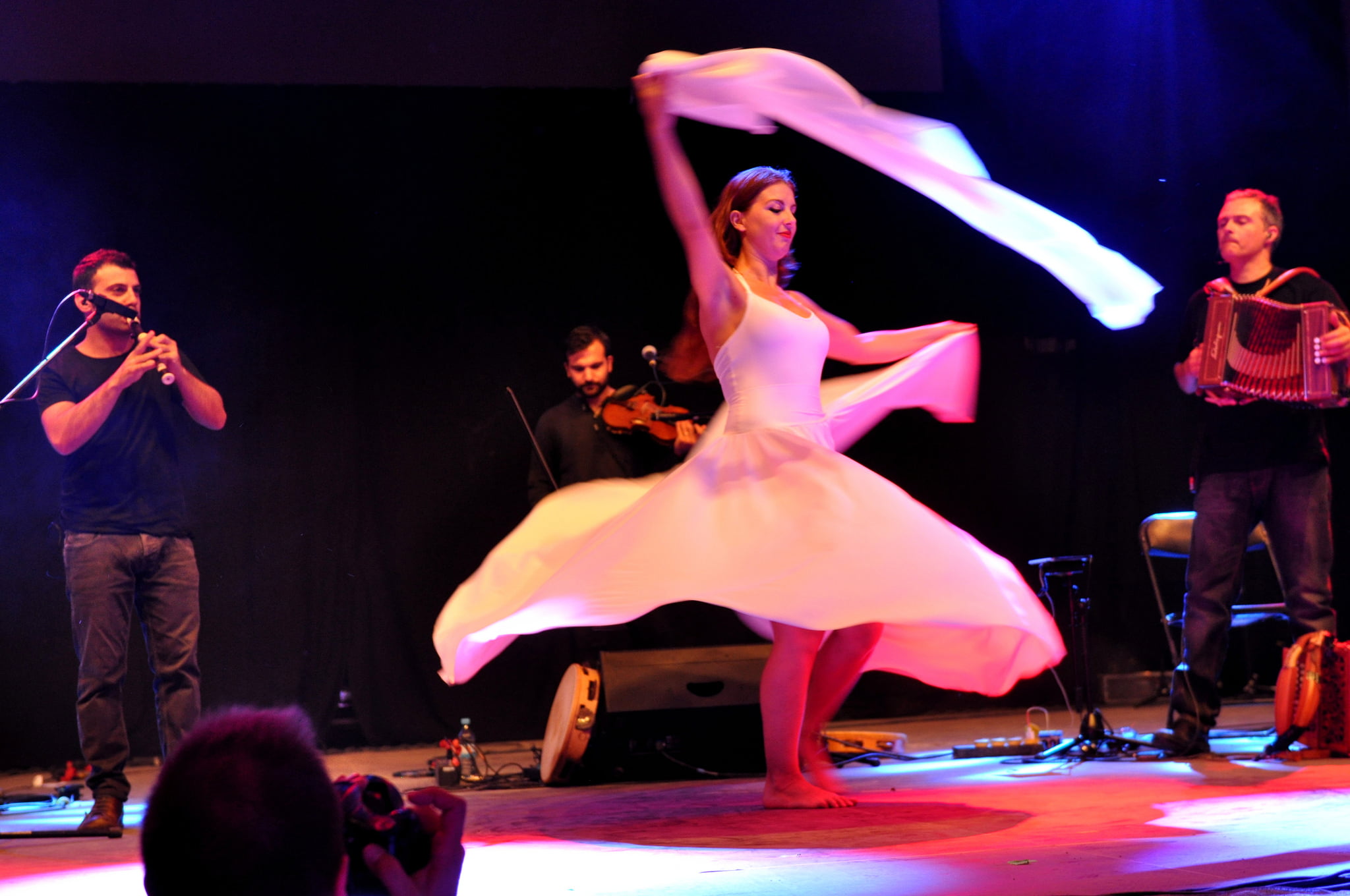
With its hypnotic tambourine beats, swirling skirts, and unrestrained energy, Pizzica is far more than a performance — it’s an emotional language, a living story of the people of Salento.
DISCOVER OUR LUXURY VILLASFrom Ritual to Remedy: The Myth Behind the Dance
In Puglia’s agrarian past, legends told of the Tarantula bite — a spider whose venom was said to cause a trance-like hysteria known as tarantismo.
No herb or medicine could cure the afflicted. Instead, the only remedy was movement — a feverish dance performed to the rhythm of tambourines and violins.
Women believed to be bitten would dance for hours, sometimes days, in an attempt to sweat out the poison and restore their vitality. The music, repetitive and intense, guided the trance, while colors, sounds, and rhythm created a powerful, cathartic experience.
This ritual — half healing, half spiritual — gave birth to what we now know as Pizzica, blending ancient Dionysian rites with local folk tradition.
The science may be uncertain, but the symbolism endures: through music and movement, the community found healing, connection, and renewal.
The Revival of Pizzica: From Folklore to World Stage
By the mid-20th century, Pizzica had faded from daily life, dismissed as a relic of superstition. Yet, like so many of Puglia’s traditions, it refused to disappear.
In the 1990s, a cultural revival began — musicians, historians, and dancers rediscovered Pizzica’s deep roots and reimagined it for a new generation.
Today, it stands as a symbol of Apulian pride, performed not only in small Salento towns but on stages around the world. Modern interpretations have woven Pizzica’s traditional sounds with contemporary music, creating a universal rhythm that transcends borders.

Where to Experience Pizzica in Puglia
To feel the true power of Pizzica, you must experience it live — where music, passion, and community come together.
La Notte della Taranta – Melpignano
The largest folk music festival in Italy and one of Europe’s biggest open-air concerts, La Notte della Taranta takes place every August in Melpignano, Salento.
Each year, over 400,000 people gather to celebrate, dancing under the stars to the pulse of tambourines and violins.
The event features traditional Salento musicians alongside international artists, blending ancient rhythms with world sounds. It’s more than a concert — it’s a collective ritual of joy and identity.
Local Performances and Village Festivals
Throughout the summer, towns across Salento — from Otranto to Galatina — host smaller Pizzica performances during their patron saint festivals (feste patronali).
These intimate settings offer visitors the chance to join the dance themselves — no stage, no distance, just pure energy shared among locals and travelers alike.
Pizzica-Pizzica: The Dance of Connection
Among the many variations, Pizzica-Pizzica stands out as the most expressive and joyful.
Performed as a partner dance, it often represents playful courtship. The woman waves a handkerchief, inviting her partner to join her in a flurry of fast, graceful movements.
The spinning fabrics, radiant smiles, and rhythmic footwork embody freedom and flirtation — a celebration of life itself.
Each dancer moves instinctively, guided by the tambourine’s heartbeat and the music’s hypnotic repetition.
It’s impossible to watch — or dance — without feeling uplifted.
The Spirit of Pizzica Lives On
Whether witnessed at a grand festival or in a quiet village square, Pizzica is not just a performance — it’s a living symbol of Puglia’s soul.
It speaks of transformation, resilience, and unity — of people who have always turned life’s challenges into rhythm and beauty.
To discover Pizzica is to experience Puglia itself — its music, its warmth, and its unbreakable connection between past and present.